Flat-rate pricing is simple. At scale, simple gets expensive.
Your platform’s flat rate never moves as you grow. There is a point where interchange-plus costs less — we’ll work out where yours is.
- Free, no obligation
- Keep your cart and checkout
- Staying put? We’ll say so
Built for orders you never see in person.
Whether you sell on a hosted cart, your own site, invoices, or all three at once.
Cart and platform integrations
Shopify, WooCommerce on WordPress, BigCommerce, Magento, Squarespace and most other carts connect to a merchant account through a supported gateway plugin. Your storefront stays exactly where it is.
Hosted checkout and pay-by-link
A secure payment page you can drop into an invoice, an email, or a social post — useful when the sale happens in a DM and there isn’t a product page to send anyone to. Nothing to build.
Your own merchant account
Not a shared aggregator account. You get underwritten as a business, which means your risk profile is reviewed once up front instead of re-evaluated by an algorithm every time you have a good week — and there is a person attached to the file.
If you’re doing low volume, stay where you are
We’ll tell you that, and it costs you nothing to hear it. A merchant account carries fixed monthly costs that a small order count can’t absorb, and flat-rate pricing is built exactly for that situation. The point of the review is to find out which side of the line you’re on — not to move you across it regardless.
For the days you sell face to face.
Pop-ups, markets, trade shows, and phone orders can run on the same account as your website. We spec the hardware to how you actually sell — and if the reader you already own carries over, we’ll tell you that instead of shipping you a box.
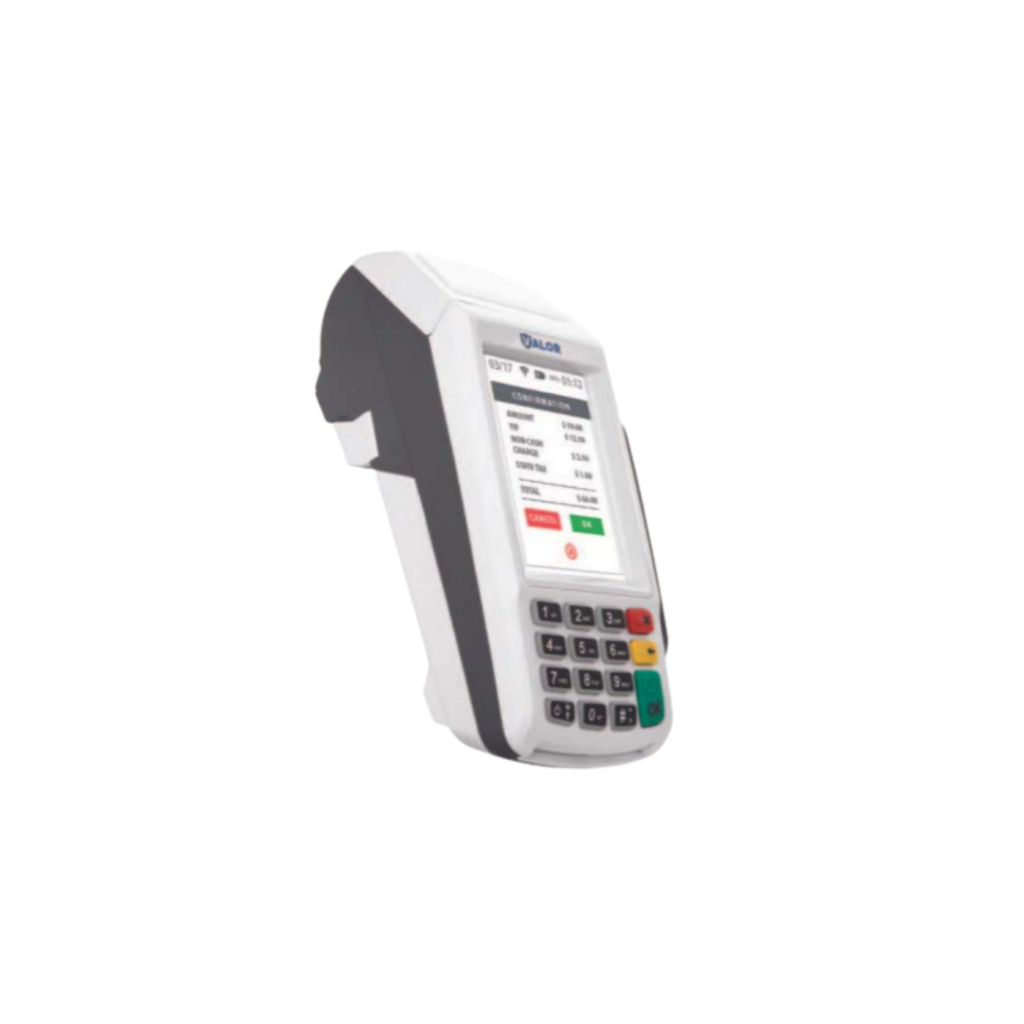
Countertop terminal
A fixed checkout station for pop-ups, markets, and trade show booths.
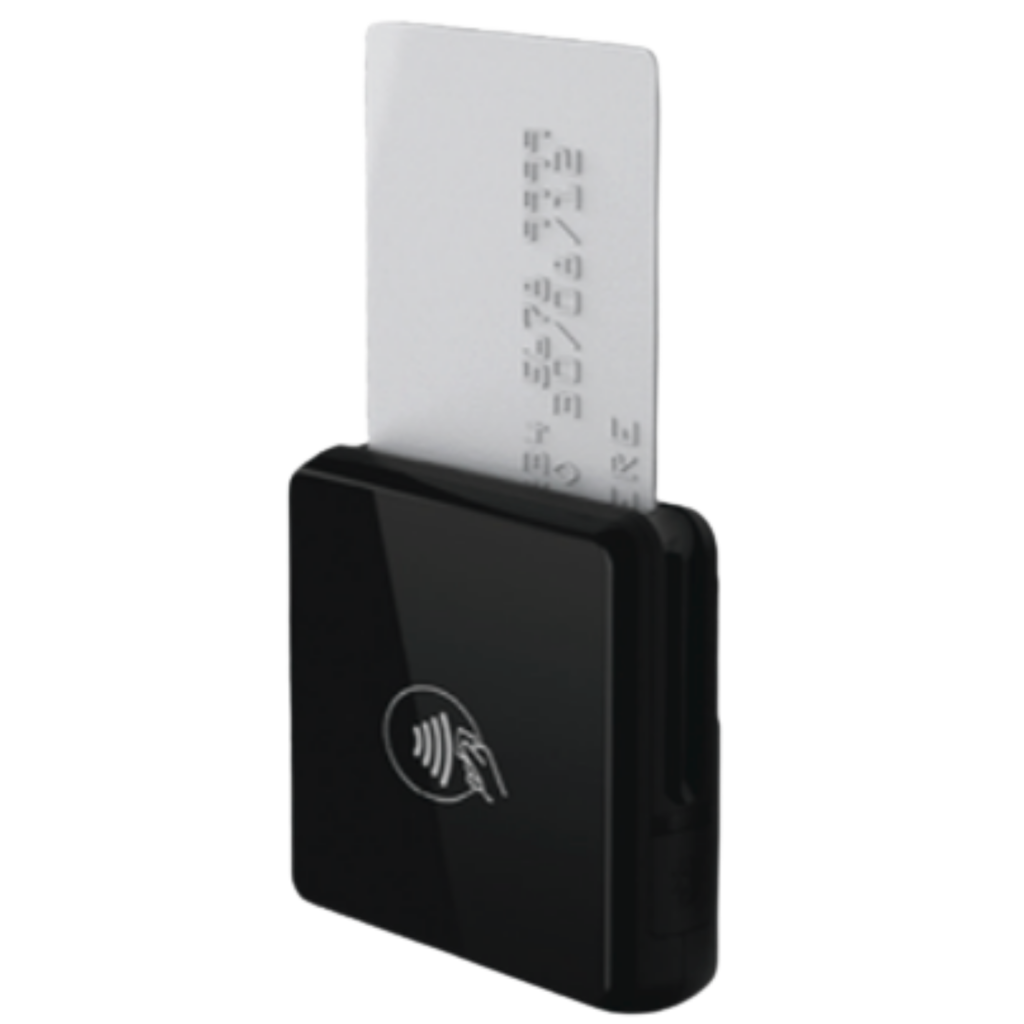
Mobile card reader
Take cards in person without opening a second merchant account.
Your storefront stays where it is — WordPress, WooCommerce, and Shopify all connect through a supported gateway plugin.



Never sign a multi-year terminal lease
A multi-year terminal lease routinely costs several times what the hardware itself is worth, and those agreements often auto-renew and are written as non-cancellable. If one has been put in front of you, or you are already in one, send it over — we’ll read the terms and tell you plainly what it commits you to.
Three steps, and none of them touch your checkout.
Send two statements whenever you get a quiet ten minutes. We’ll take it from there.
Send two months of statements
Two recent processing or payout statements show your volume, average order value, card mix, and every fee riding alongside the rate. Two months in a row also catch the charges that only bill on certain cycles.
We shop it for you
We take your profile to the providers we work with and have them compete against each other for your business. You never make a call, sit through a pitch, or field a follow-up you didn’t ask for.
You get one clear answer
What you pay now, what you’d pay instead, and the twelve-month difference in dollars. If flat-rate is still your best deal, that’s the answer you’ll get.
What online sellers ask us.
Not always — and we’d rather say that here than after you’ve filled in a form. Flat-rate bundles the merchant account, the gateway, and the risk into one number with no monthly fixed cost. At low volume that is very hard to beat, because a real merchant account’s fixed monthly charges get divided across too few orders.
The math flips as you grow. Interchange-plus pricing passes through the networks’ actual cost with a disclosed markup on top, so your effective rate falls as your mix improves and your volume climbs. The flat percentage never does. Where the two lines cross depends on your monthly volume, your average order value, and what kinds of cards your customers use — which is exactly what two statements tell us. We ask for two months because one can be unrepresentative: a slow stretch, a heavy stretch, or an odd batch skews the picture, while two consecutive months show the real pattern and surface fees that only bill on certain cycles, like annual, quarterly, or PCI charges. If you’re below the line, stay put. If you’re above it, you’ll see by how much.
Usually not. Most of the time this is a gateway swap: you install or configure a payment extension, point it at the new account, run a test order, and go. Your theme, product pages, and checkout flow stay as they are, and your customers won’t notice anything changed.
The exception worth knowing about: some platforms restrict payments to their own product, or charge an additional fee when you use a third-party gateway. That is a real constraint and no amount of negotiating removes it. We’ll tell you which situation you’re in before you commit to anything.
Yes, and it’s usually the better setup. One merchant account can carry both card-present and card-not-present pricing, so your market stall, trade show, or storefront sales aren’t priced as if they were online orders. Deposits and reporting come through together, which means one reconciliation instead of two and one relationship to call when something looks wrong.
It also tends to help on price. Combined volume is what a provider actually competes on, and splitting it across two separate flat-rate setups keeps both of them small.
The short version: don’t store card numbers yourself. A modern setup uses tokenization — the real card number goes into the gateway’s vault, and your system holds a token that is useless to anyone who steals it. You can still charge returning customers and run subscriptions; you just never hold the sensitive part.
PCI compliance for an online store means completing a self-assessment questionnaire, and which one you complete depends on how your checkout is built. A hosted or embedded payment page keeps you in a much shorter scope than a checkout that handles card data on your own server, and some setups also require a quarterly network scan. We’ll work out which applies to you, walk you through it once, and get it filed — so the monthly non-compliance charge comes off and stays off.
Two statements. Ten minutes. A real number.
If flat-rate is still your best deal, we’ll tell you. If it isn’t, you’ll know by how much.