The job’s done. Getting paid shouldn’t be the slow part.
You finish the work now and get paid weeks later. That gap is where contractor money goes, and most of it is fixable.
- Free, no obligation
- Set up around your schedule
- Local support, not a queue
Built to close the gap between the last screw and the deposit.
HVAC, plumbing, electrical, roofing, landscaping, pest control, cleaning, remodeling, garage doors, appliance repair.
Take the card before you leave
An encrypted reader on your tech’s phone or tablet. The homeowner dips or taps at the door, the card is present, and it prices better than the same number typed in from a work order the next morning.
Invoice from the truck
The job gets signed off, the invoice goes out from the driveway with a pay-now link the homeowner can tap on their phone. No waiting for the paperwork to reach the office first.
Autopay for service agreements
Store the payment method once, then maintenance plans and recurring service bill themselves on schedule. Predictable money, and one less job on the office manager’s desk every month.
Keep the software your dispatcher already knows.
Changing processors and changing the system your office runs on are two different decisions. Most field service management software can accept a different payment provider behind it, and payments can post automatically into QuickBooks or Xero so nobody is matching deposits to invoices by hand on Friday afternoon. Tell us what you run and we’ll tell you straight whether it can be repointed.
Hardware built for a truck, not a countertop.
We spec the equipment around how your crew actually takes payment — at the door, in the driveway, on a roof. And if what you already carry can move over, we’ll tell you that instead of selling you a box.
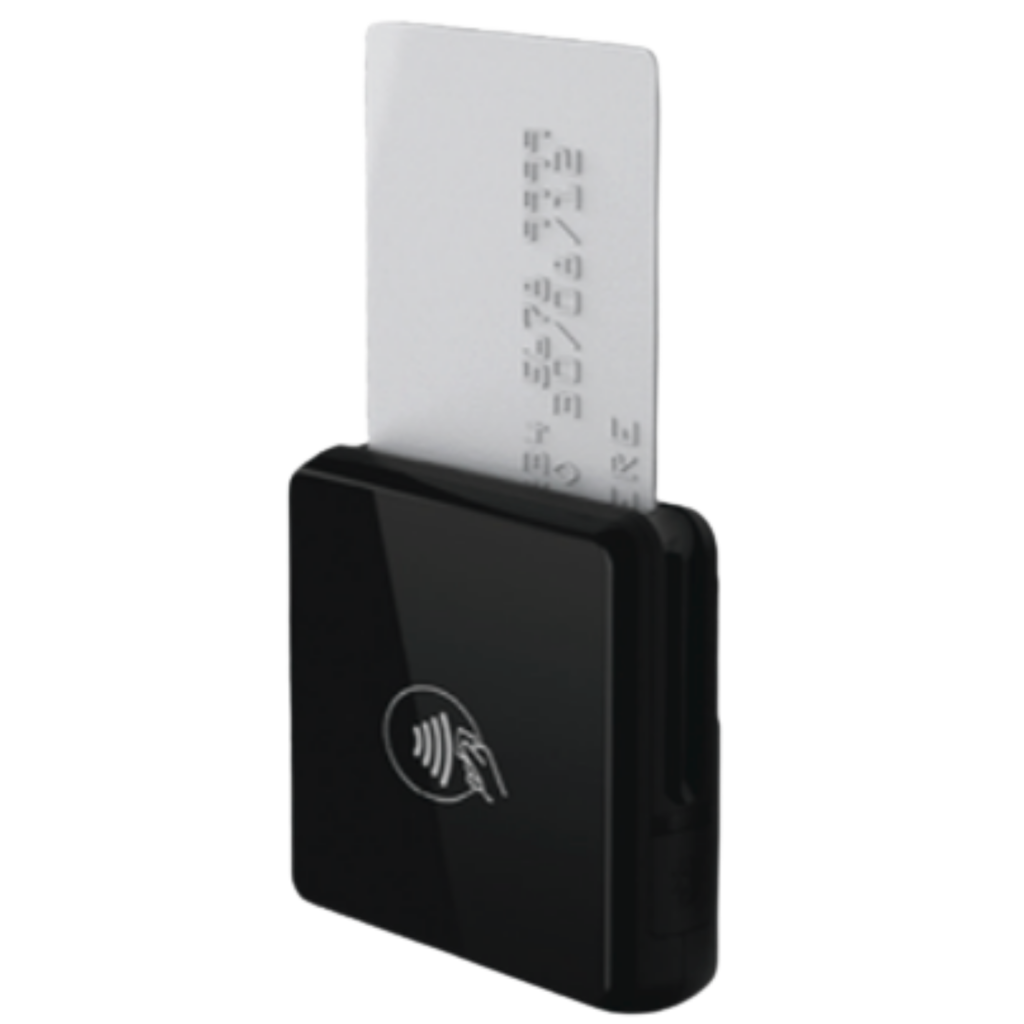
Mobile card reader
Fits in a work shirt pocket, so the card gets taken in the driveway.
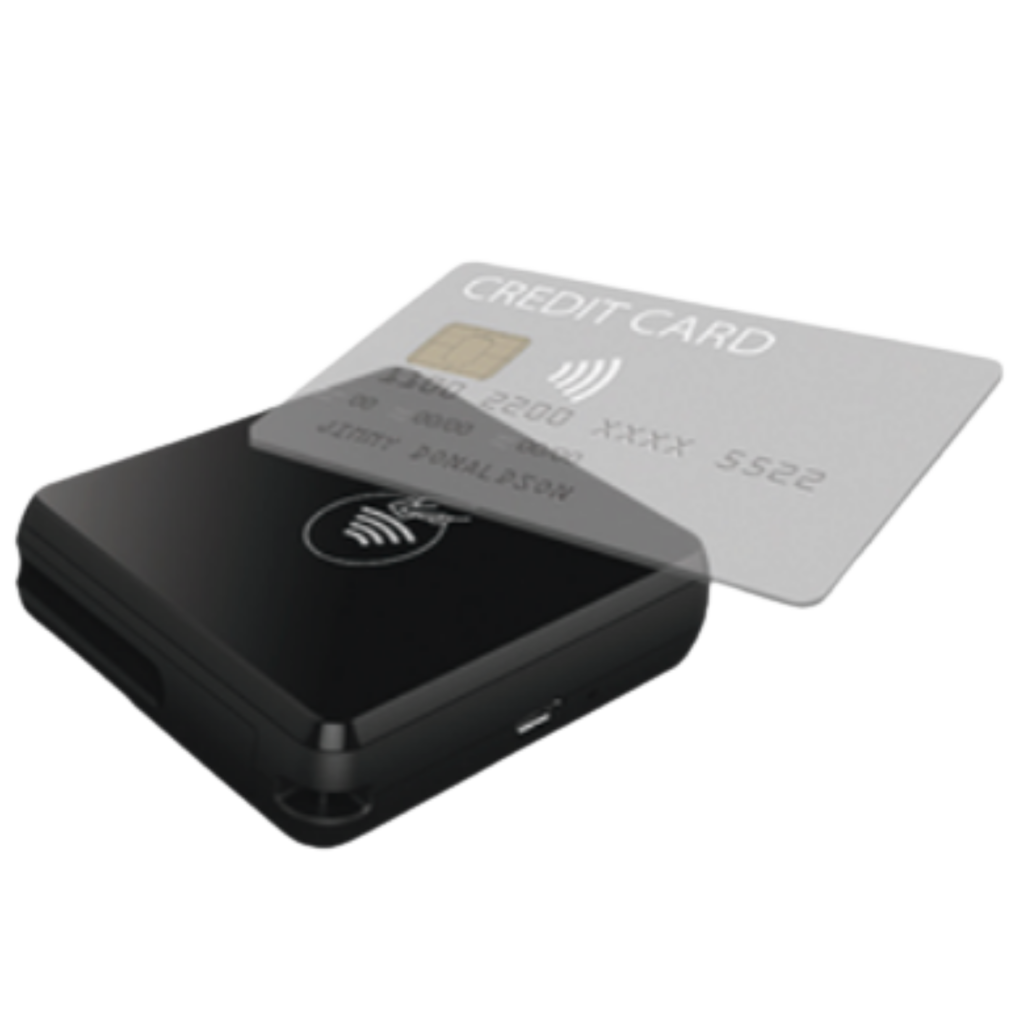
Tap reader
Pairs to your tech’s phone for tap, chip, and mobile wallets on site.
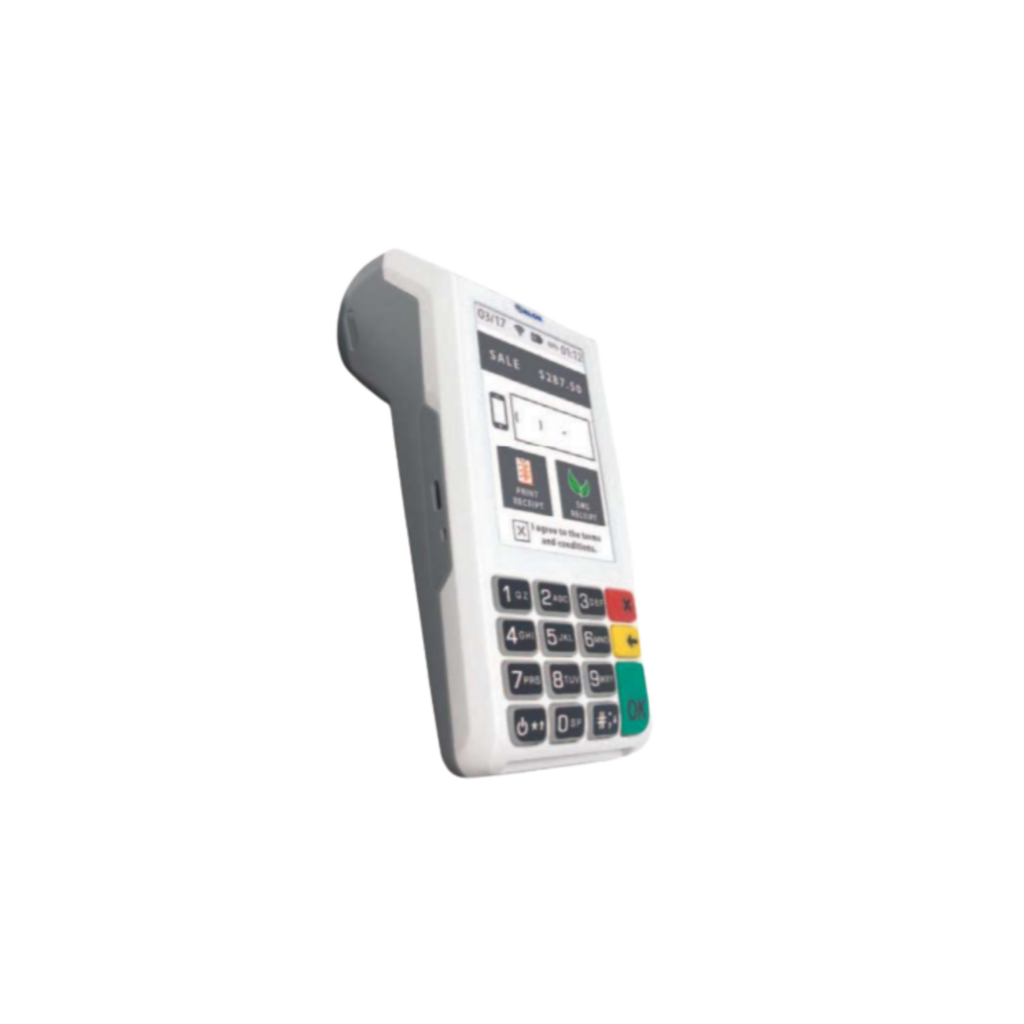
Wireless handheld
A full terminal with a built-in printer for the customers who still want paper.
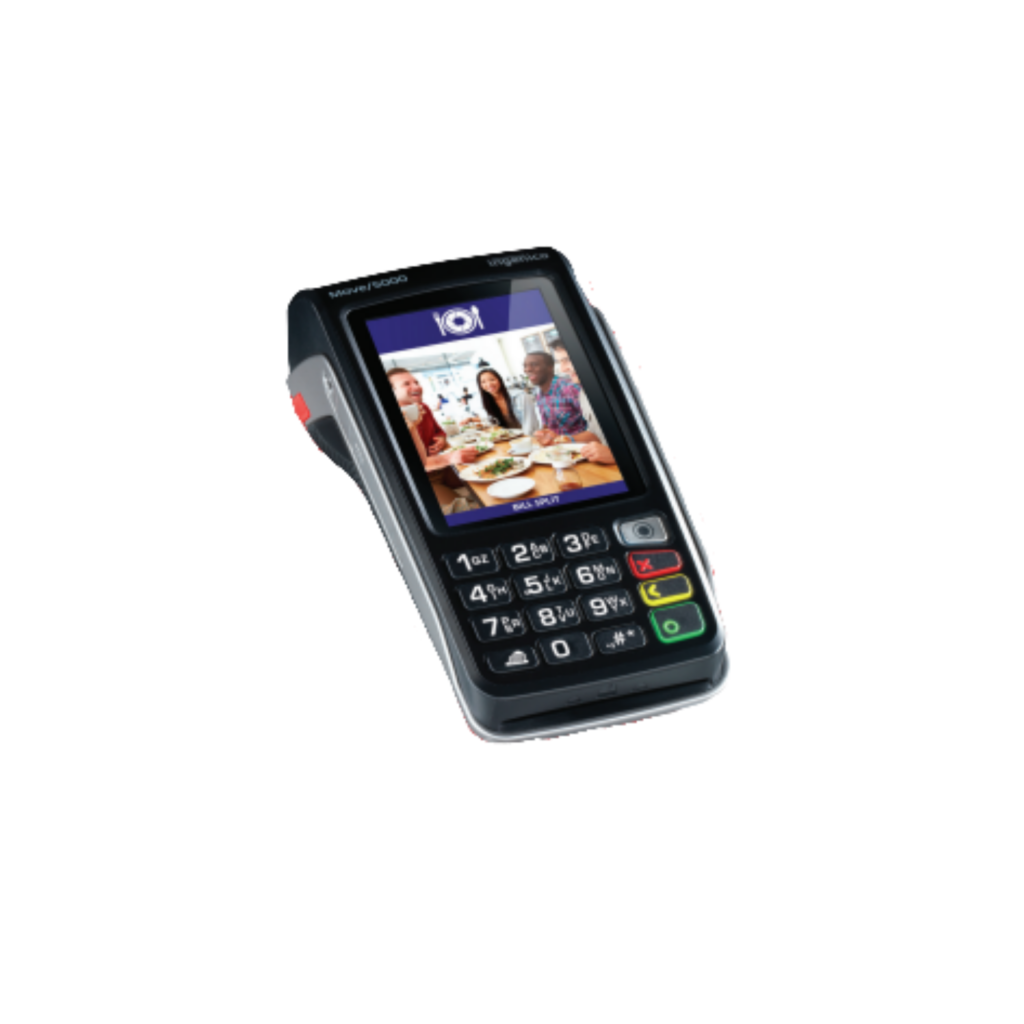
Rugged handheld
For trucks and job sites where a tablet wouldn’t last the season.
Read the equipment lease before you sign one.
A multi-year terminal lease can cost several times what the hardware is worth, and they are commonly written to auto-renew and to be non-cancellable — often on a separate agreement from your processing, so switching processors doesn’t end it. If you’re already in one, send it over and we’ll read it and tell you plainly what it says.
Three steps, and none of them cost you a work day.
Send two months of statements whenever you get ten quiet minutes. We’ll take it from there.
Send two statements
Two recent processing statements show your volume, your average ticket, how much of it is keyed versus card present, and every fee you’re paying. One month on its own can be a slow month or a heavy one; two consecutive months show the real pattern and catch the fees that only bill on certain cycles.
We shop it for you
We take your profile to the providers we work with and have them compete against each other for your business. You never make a call, sit through a pitch, or field a follow-up you didn’t ask for.
You get one clear answer
What you pay now, what you’d pay instead, and the twelve-month difference in dollars. If you’re already priced well, we’ll tell you that and you can get back to work.
What contractors ask us.
Yes. A small encrypted reader pairs to the phone or tablet your tech already carries, and the homeowner dips or taps right there. No countertop unit, no phone line, no separate device to charge and lose.
If a card isn’t in hand — a rental property, an out-of-town owner, a landlord paying for a tenant’s repair — the tech sends a pay-now link instead and the customer enters their own card. Either way, nobody on your crew is writing card numbers down.
Risk. When a card is dipped or tapped, the chip proves the physical card was there. When a number is typed in, nothing proves that, so the transaction falls into a more expensive category. The card networks set those categories, not your processor.
The difference on one repair call is small. Applied to most of your volume, all year, it stops being small — and it’s one of the easiest things to fix, because it’s a workflow change more than a pricing negotiation.
Usually, yes. Payments can sync into QuickBooks or Xero so deposits post against the right invoices on their own, instead of someone matching a bank deposit to a stack of tickets at the end of the week.
Most field service management platforms also let you run payments through a provider of your choosing, so your dispatcher keeps the same screens and the same workflow. Some are locked to one processor by contract. Tell us what you run and we’ll check before anything gets signed, not after.
You send a request for the deposit amount the moment the job is accepted, the customer pays it from their phone, and the money is in your account before you order materials. The rest is billed as the work reaches whatever stages you set — rough-in, install, final — instead of landing as one large number at the end.
The practical benefit is leverage. Collecting while the job is still open is a different conversation than collecting after the work is done and the customer has nothing left to wait for.
Two statements. Ten minutes. A real answer.
Most contractors we review are paying more than they need to, and waiting longer than they need to. Find out where you stand.