Every business that takes cards has a rate. Few know theirs.
Yours is buried on a statement, spread across a dozen lines. We calculate it, shop the market, and send back a straight answer.
- Free, no obligation
- Any industry, any size
- About 2 business days
Three things, and we do all three.
The best deal available in this market, equipment specced to how you actually take payment, and a setup built for your industry instead of a package built for everyone.
The best deal in this market
We shop your profile across the providers we work with and make them bid against one another. What comes back is the strongest pricing available to a business built like yours. That is the entire job, and we don’t hedge on it.
Hardware specced to fit
Countertop terminals, wireless and handheld units, mobile readers for the field, customer-facing PIN pads. We look at where the card is physically presented and put the right unit there — not whatever box is in the warehouse this quarter.
Solutions built by industry
Nonprofits, law firms, gyms and studios, salons, self-storage, car washes, wholesalers, franchises, B2B services. Each one gets paid in its own way, and each one has a version of this that works. We start from the industry, not from a catalog.
You don’t need to know what to ask for
Most owners arrive with a couple of statements and a suspicion, not a spec sheet. That is plenty. Those statements tell us your volume, your average ticket, how your cards are presented, and what hardware you’re running. Every recommendation we make comes out of those four facts, so you don’t have to translate your business into our vocabulary first.
The hardware follows how you actually take payment.
Counter, curbside, job site, or phone — where the card is presented decides which device belongs there. We spec it around that, and when the equipment you already own carries over, we say so instead of selling you a box.
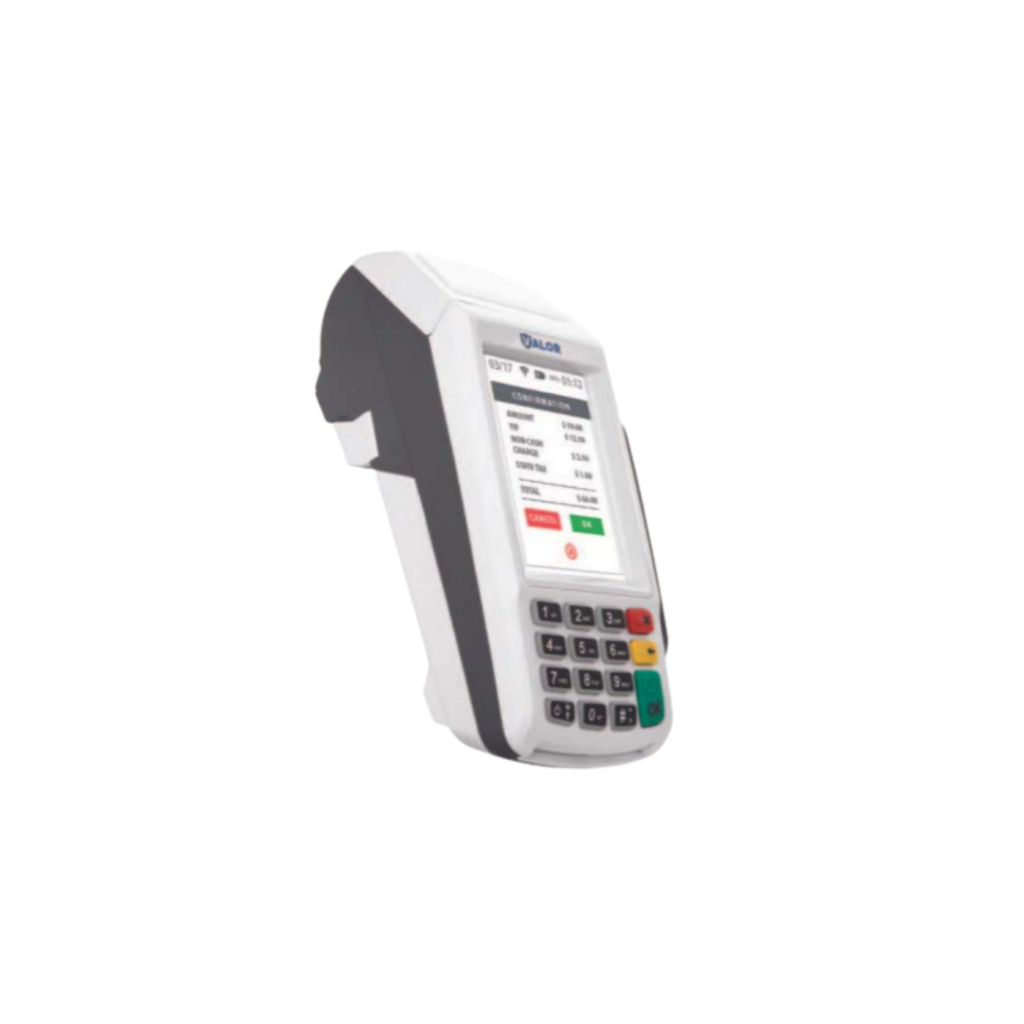
Countertop terminal
The workhorse — chip, tap, swipe, and a printer built in.
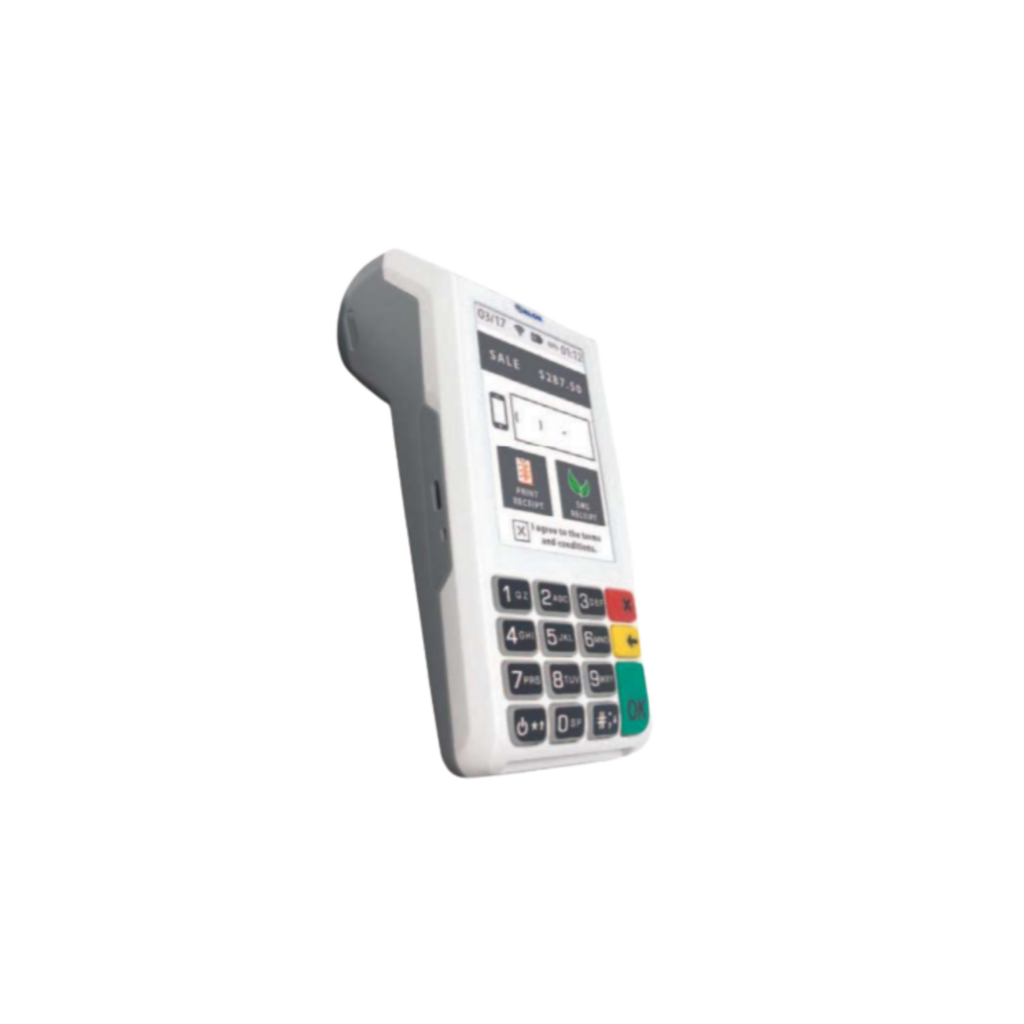
Wireless handheld
For anywhere the customer isn’t standing at a counter.
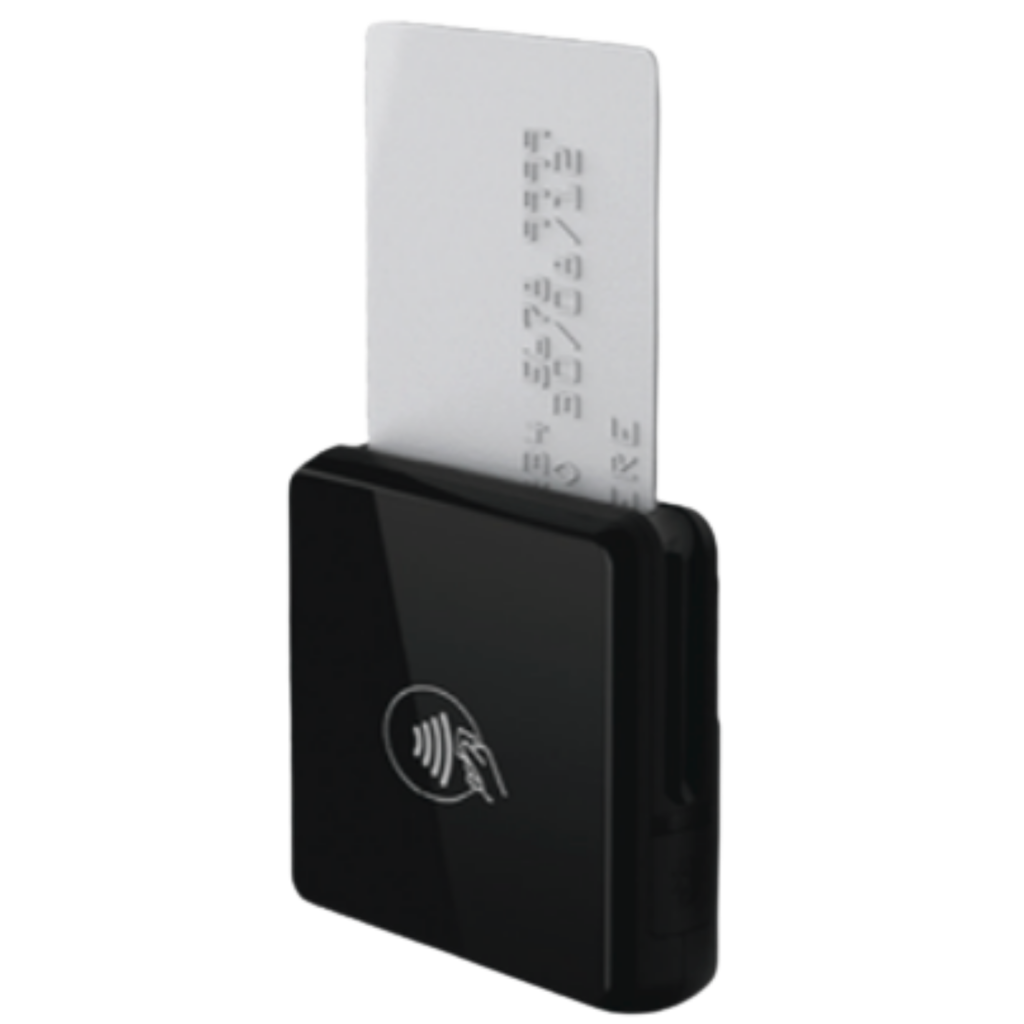
Mobile card reader
The smallest footprint here — it pairs with a phone or tablet.
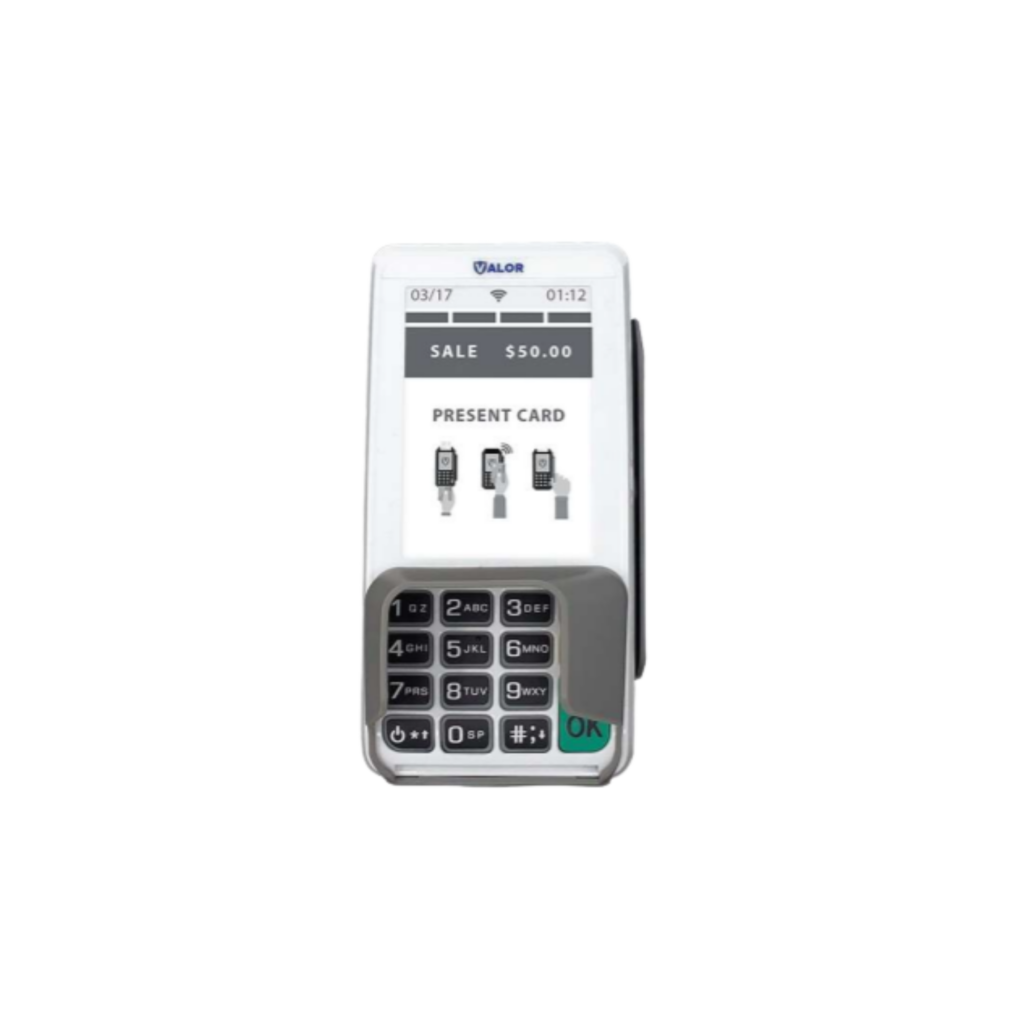
Customer PIN pad
Sits on the customer’s side for PIN debit and tip prompts.
Ask before you replace anything
Plenty of terminals already sitting on counters can be reprogrammed for a new provider rather than thrown out, and swapping processors does not automatically mean buying hardware. We check what you own first and tell you plainly when it carries over — a rate review that ends in a box you didn’t need isn’t a review, it is a sale.
You send two statements. We handle the rest.
No discovery call, no site visit, and no afternoon spent on the phone with five providers who all describe pricing differently.
Send two months of statements
Your last two processing statements carry everything that matters — volume, average ticket, how your cards are presented, and every fee being charged today. Two months rather than one, because a single month is often not a typical month. Black out the account numbers if you’d rather. We don’t need them.
We shop it for you
We take your profile to the providers we work with and have them compete against each other for your business. You never make a call, sit through a pitch, or field a follow-up you didn’t ask for.
You get one clear answer
What you pay now, the best we could get, where your equipment stands, and the twelve-month difference in dollars. Then you decide. If the right call is to stay put, we’ll write that down too.
Straight answers, before you send anything.
The provider pays us a referral fee when a business we introduce opens an account. Nothing is bolted onto your pricing to fund it — the numbers on your comparison are the numbers you would sign. If you read the review and decide to stay where you are, no invoice appears and nobody chases you about it.
Because a quote written without them is a guess wearing a decimal point. Pricing is driven by four things: how much you process, your average ticket, how the card is presented, and what you’re charged today. All four live on the statements. With them, the comparison is arithmetic. Without them, it’s a sales pitch with numbers in it.
Two months rather than one because a single month can be unrepresentative — a slow stretch, an unusually heavy stretch, an odd batch, a seasonal swing. Two consecutive months show the real pattern and catch the fees that only bill on certain cycles, like annual, quarterly, and PCI.
No, and we’d rather you didn’t feel like you are. The review is yours to keep either way. A fair number of owners take it straight back to their current provider and ask to be matched. That is a perfectly good use of it, and it often gets the rate moved without you switching anything at all.
Look anyway. You can’t weigh leaving until you know what leaving costs and what staying costs, and right now you likely know neither. We’ll read the termination language, hand you the real exit figure, and set it beside the annual difference.
Sometimes the math says wait until your term runs out. That’s a legitimate result, we’ll say so plainly, and you’ll still walk away knowing your effective rate and the date your agreement renews. Put that date in a calendar.
You can’t negotiate a number you’ve never seen.
It takes two statements to find out what yours is.