You price every item to the penny. Your processing wasn’t.
Cards tapped at your counter should earn the lowest rates on the network. Plenty of storefronts aren’t set up to get them.
- Free, no obligation
- Cutovers before you open
- Local support, not a queue
Built for a counter, a sidewalk, and everything between.
Whether you run one register, four, or a folding table at a weekend market.
Countertop terminals
Large touch displays, contactless and chip, signature capture on screen, and receipts emailed or texted instead of printed. Fast enough that a line moves, simple enough that a new hire figures it out in an afternoon.
Inventory-aware POS
Stock counts down as items sell, so the number on the screen is the number on the shelf. Reorder flags, variants by size and color, and a count you can trust without closing early to do one.
Surcharge & dual pricing
A real option in retail, and one we’ll set up correctly if you want it — card brand rules, required signage, receipt disclosure, and the limits on what can be surcharged. Done properly or not at all.
About passing the fee to the customer
Surcharging and dual pricing are legitimate programs, and they suit some stores well. They also come with real rules. Debit cards can never be surcharged, no matter how they are run. Signage is required at the entrance and at the point of sale, the amount has to appear on the receipt, and the card brands cap what you may add. Cash discount and dual pricing work differently again. We’ll explain the mechanics for your counter and set it up compliantly if you want it — and we’ll say plainly if we think your customers won’t wear it.
Hardware chosen for how your store actually sells.
We spec what fits your counter, your floor, and your busiest hour — and we say so plainly when the equipment you already own carries over.
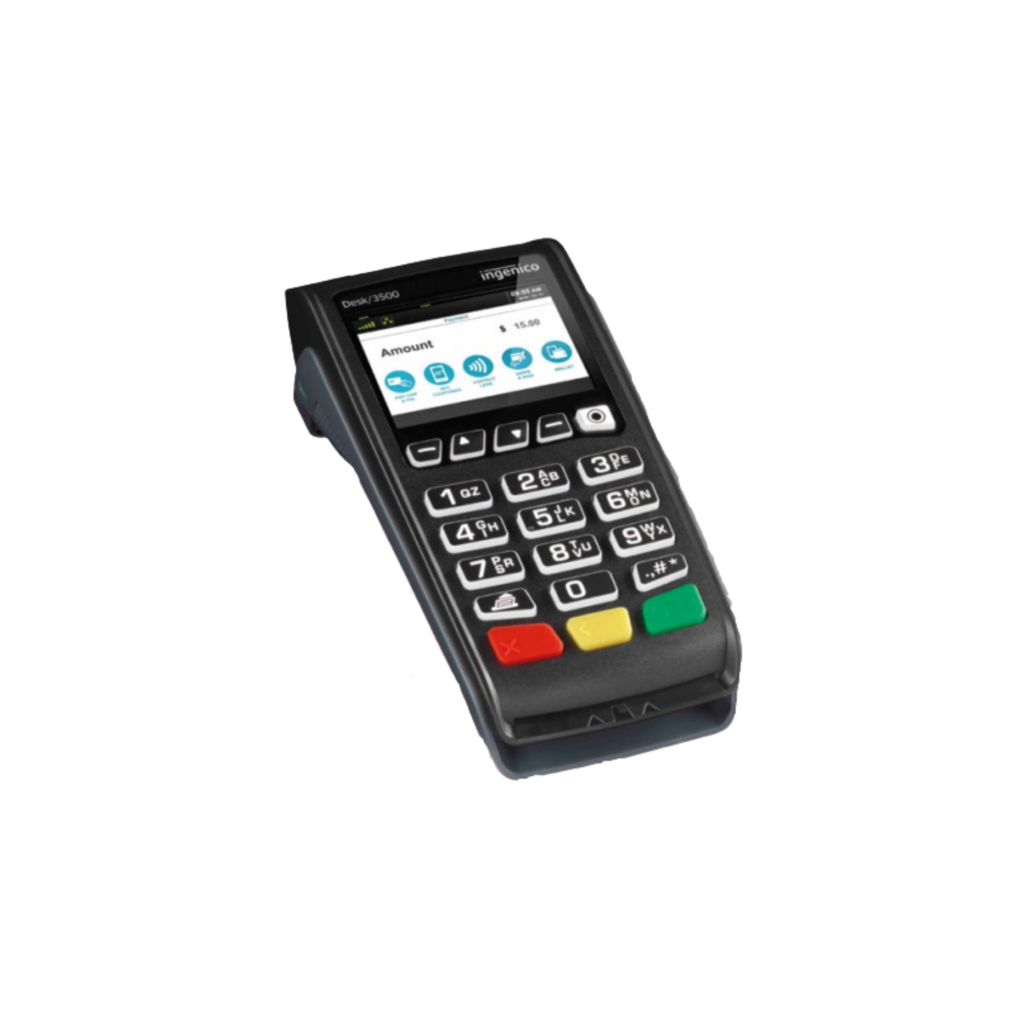
Countertop terminal
Fast at the register, with a receipt printer built in.
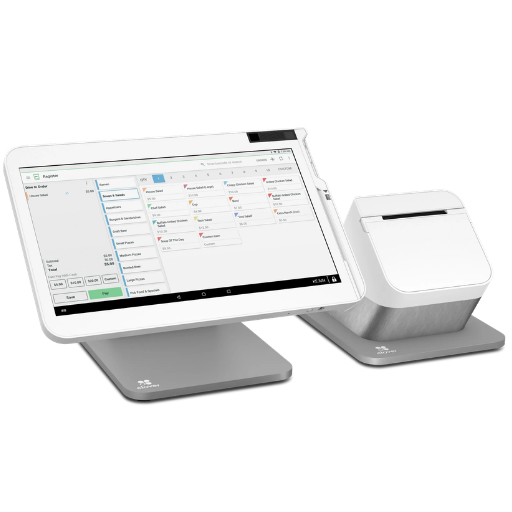
Full POS station
Inventory, staff, and reporting running alongside the register.
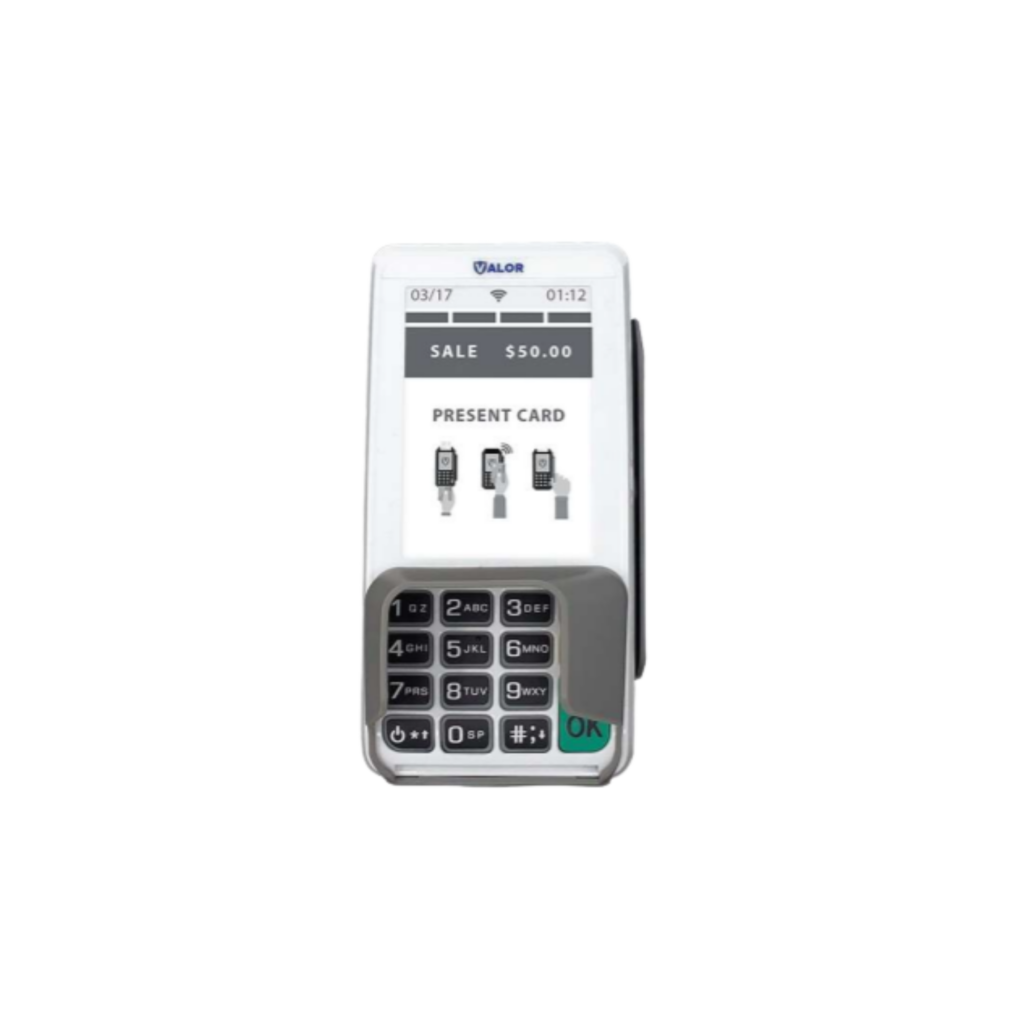
Customer PIN pad
PIN debit at the counter, often the cheapest way to take a card.
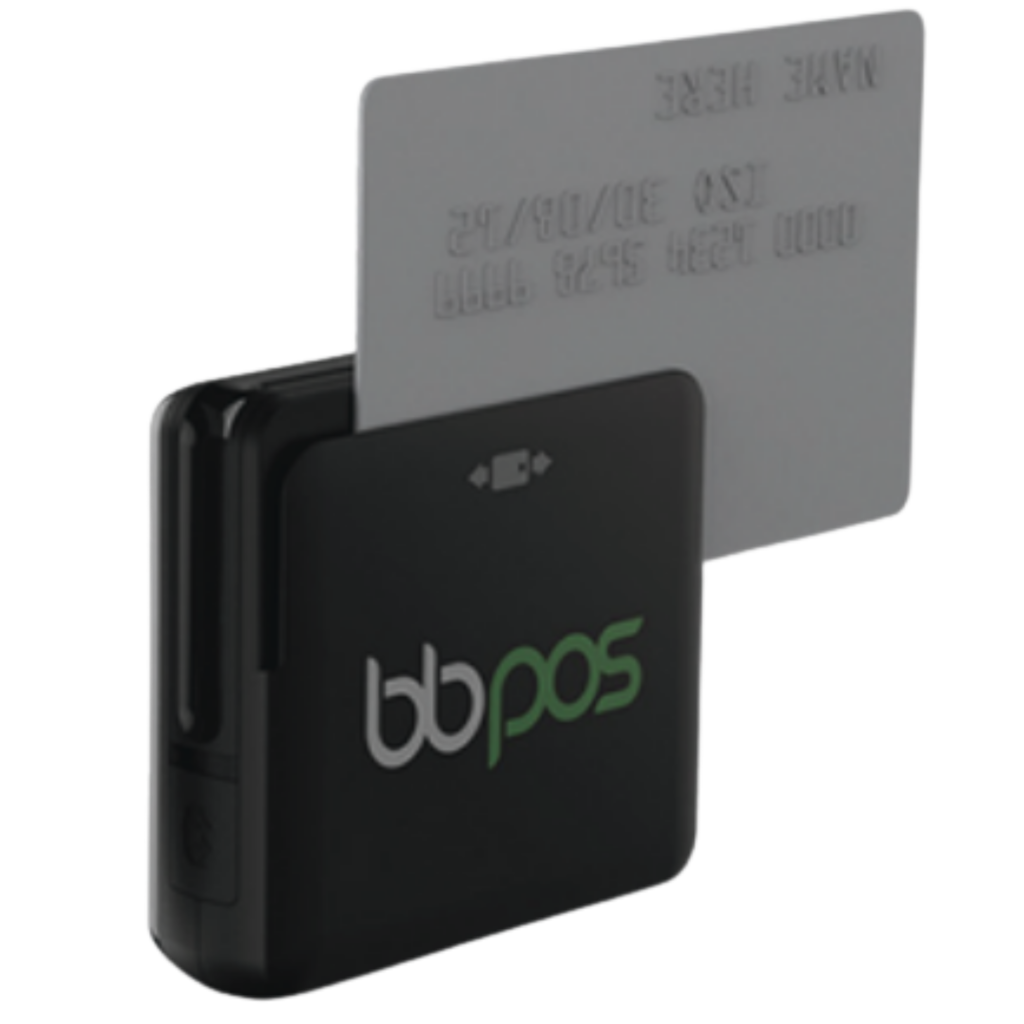
Contactless reader
Tap and mobile wallets to keep the rush moving.
We don’t earn more by selling you a bigger box
The largest package on the shelf is rarely the right one for a single storefront. Extra screens your staff never touches are extra training and extra clutter behind the counter. We’d rather you bought less and used all of it.
Three steps, and none of them happen at the register.
Send two months of statements whenever the floor goes quiet for ten minutes. We’ll take it from there.
Send two months of statements
Two recent processing statements tell us your volume, average ticket, card mix, how much of it is keyed rather than tapped, and every fee you’re paying. One month on its own can mislead — a slow stretch, a holiday spike, an odd batch. Two consecutive months show the real pattern and catch the fees that only bill on certain cycles, like annual, quarterly, and PCI charges.
We shop it for you
We take your profile to the providers we work with and have them compete against each other for your business. You never make a call, sit through a pitch, or field a follow-up you didn’t ask for.
You get one clear answer
What you pay now, what you’d pay instead, and the twelve-month difference in dollars. If you’re already priced well, we’ll say so.
What shop owners ask us.
Often not. Plenty of terminals and point-of-sale systems can be repointed to a different processor while your staff keeps using the exact same screens. Some hardware is locked to one processor and can’t move — if yours is, we’ll tell you that up front rather than after you’ve signed something.
Changing processors and changing registers are two separate decisions. They don’t have to happen at the same time, and anyone who insists otherwise is selling hardware.
You can, within rules. A credit card surcharge has to be disclosed on signage at your entrance and at the point of sale, it has to appear as a separate line on the receipt, and the card brands cap how much you may add. Debit cards cannot be surcharged at all, regardless of whether they run as debit or credit — that one catches people out constantly.
Cash discount and dual pricing work on a different mechanism, showing two prices or discounting off a listed price rather than adding a fee, and they have their own disclosure requirements. Retail is one of the better fits for these programs. It still comes down to your customers and your street. We’ll walk you through how it would actually look at your counter and set it up compliantly if you want it. Deciding against it is a perfectly good answer.
Usually worth it. Early termination fees are often smaller than owners assume, and occasionally don’t apply at all depending on how the agreement was written. We’ll read your terms, give you the real exit number, and set it against the savings. If the math doesn’t work, we’ll tell you to sit tight and check back when your term is up.
The cutover itself is short, and it happens when you’re closed — before you open, after you lock up, or on a day you’re dark. You pick the window. The old account stays live until the new one is confirmed working, so there is no gap where you can’t take a card.
We stay reachable through your first few batches to confirm everything is settling and depositing correctly before we consider it done. And we don’t schedule cutovers into your busy season. If you’re heading into your biggest month, we’ll do the review now and move you after.
Two statements. Ten minutes. A real answer.
Most storefronts we review are paying more than they need to. Find out if yours is.